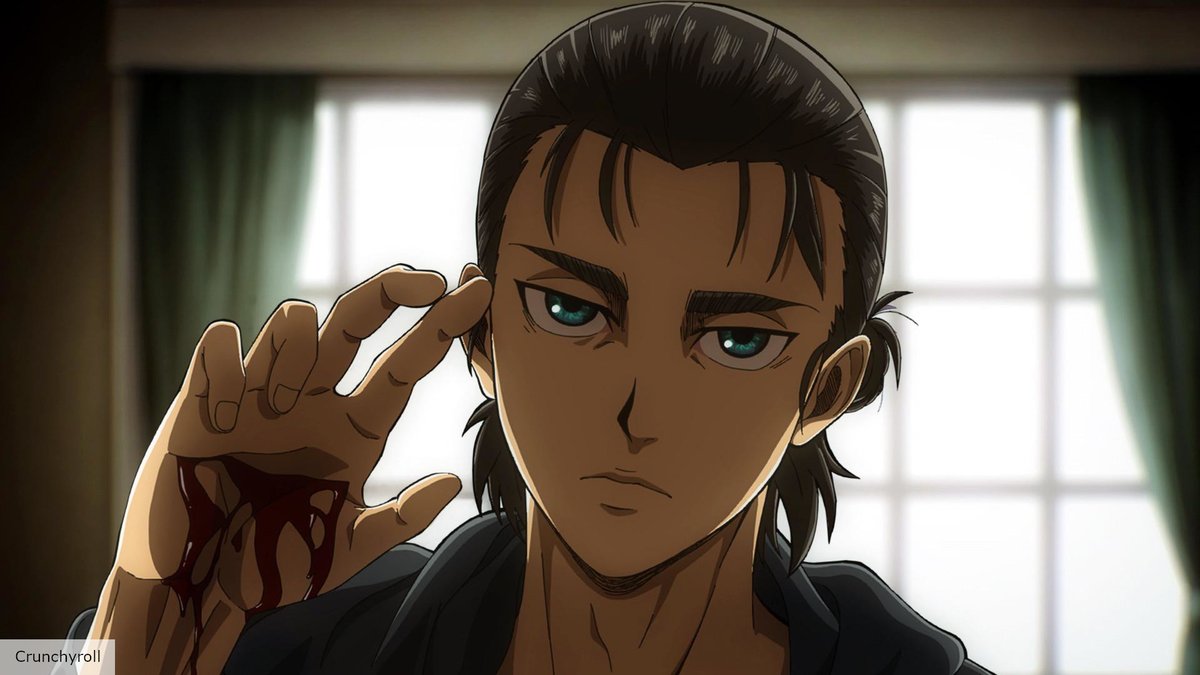
Welcome to the ultimate hub exploring one of the most intriguing and widely discussed fan concepts circulating the anime community: "Eren Yeager in Tokyo Revengers." While Eren Yeager is the iconic protagonist of Attack on Titan and Tokyo Revengers features Takemichi Hanagaki as its time-leaping hero, the parallels between these two distinct series' themes, character arcs, and moral quandaries have sparked a vibrant dialogue. This guide delves deep into why fans connect these two worlds, examining the shared narratives of destiny, sacrifice, and the relentless pursuit of a better future.
Here, we'll unravel the intricate layers that make this fan concept so compelling, breaking down everything from their shared experiences with time manipulation to the heavy burdens of leadership and the philosophical questions they both inadvertently pose. Prepare to see both Eren and the world of Tokyo Revengers through a fascinating new lens.
What's the Buzz About? Bridging Two Iconic Worlds
At first glance, pitting a Titan Shifter against Tokyo's delinquent gangs might seem like an odd comparison. Yet, the fan phenomenon of "Eren Yeager in Tokyo Revengers" isn't about a literal crossover but a profound conceptual one. It explores how the core motivations, character development, and narrative devices found in Attack on Titan resonate powerfully with the struggles and themes present in Tokyo Revengers. Fans are drawn to the similar existential dilemmas and the heavy price paid for trying to alter fate, often through drastic measures.
This popular concept thrives on the shared DNA of protagonists driven by deep-seated trauma and an unyielding desire to protect their loved ones, even if it means sacrificing everything else. It's a testament to the storytelling power of both series that their thematic overlaps can inspire such rich discussion and theorizing among dedicated viewers.
The Core Parallels: Time, Trauma, and Tough Choices
Both Eren Yeager and Takemichi Hanagaki are thrust into circumstances far beyond their control, forcing them to confront horrifying futures and make impossible decisions. Eren, scarred by the loss of his mother and the constant threat of Titans, develops an intense, almost radical, drive for freedom and vengeance. His journey, marked by discovering his own Titan abilities and the grim truths of his world, transforms him from a vengeful boy into a figure willing to commit unthinkable acts to secure the future of his people. This profound evolution explains , captivating audiences with his evolving motivations and morally grey actions.
Similarly, Takemichi's life takes a dramatic turn when he gains the ability to time-leap, driven by the desire to save his first love, Hinata, and his friends from tragic fates. Both characters grapple with overwhelming odds and the constant threat of failure, showcasing incredible resilience, albeit through very different means. Their initial traumas set them on paths filled with escalating stakes and morally ambiguous choices, shaping them into figures of immense responsibility.
Echoes of Power: Manipulating Time for a Better Tomorrow
One of the most striking parallels between the two series lies in their intricate use of time manipulation. In Attack on Titan, Eren isn't just a physical force; he's a linchpin in a complex temporal paradox, influencing past events through the power of the Attack Titan to sculpt the future he's seen. This ability grants him a terrifying omniscience and an immense burden, as he essentially becomes an agent of destiny, even when that destiny is catastrophic.
Conversely, Takemichi's time-leaping ability in Tokyo Revengers is more direct, allowing him to physically jump into the past to alter key events. He experiences the butterfly effect firsthand, often finding that changing one outcome leads to unforeseen and sometimes worse consequences. Understanding these distinct yet equally impactful mechanisms is crucial, which is why we’ve dedicated a deep dive into . Both protagonists struggle with the weight of knowing potential futures and the ethical tightrope walk of changing destiny.
The Weight of a World: Leadership, Sacrifice, and Moral Lines
Both Eren and Takemichi assume roles of immense, often unwanted, leadership, influencing those around them in profound ways. Eren's unwavering resolve and willingness to sacrifice anything for his goals — initially the eradication of Titans, then the survival of Eldia — consolidate his position as a powerful, albeit terrifying, leader. His methods are ruthless, reflecting a radical utilitarianism where the ends justify the means, even if it entails global devastation.
Takemichi, despite his initial weaknesses and tearful demeanor, grows into a leader who inspires deep loyalty within the Tokyo Manji Gang. He doesn't wield power through force in the same way Eren does, but through empathy, perseverance, and an unshakeable belief in his friends. The stark differences and surprising similarities in their approaches to leading their respective factions are fascinating, making a direct comparison of their impact essential. Discover more by exploring . Both characters ultimately shoulder the burden of making choices that dictate the fate of many, often at great personal cost.
Beyond the Crossover: Exploring Fan Theories and What-Ifs
The conceptual link between Eren Yeager and Tokyo Revengers extends into fascinating philosophical territory. Both narratives explore the human capacity for cruelty and kindness, the cyclical nature of violence, and the elusive concept of true freedom. Eren's journey is a grim exploration of existential freedom, where he believes one must seize their own path regardless of the cost, even if it means destroying the world to secure his people's future. His actions challenge traditional notions of heroism and justice, pushing the boundaries of moral acceptability.
Tokyo Revengers, on the other hand, often poses questions about fate versus free will and whether changing the past truly leads to a better future or merely shifts the burden. The characters constantly grapple with the consequences of their actions, facing the ripple effects of every choice. To truly appreciate the depth of these narratives, it’s worth diving into . Both series force viewers to confront uncomfortable truths about humanity and the difficult ethical dilemmas involved in shaping destiny.
The Cost of "Freedom" vs. The Price of "Saving"
Eren's ideology crystalizes around an absolute, almost tyrannical, definition of "freedom"—the ability to make decisions without external control or influence, even if it leads to the destruction of others. This obsession drives him to activate the Rumbling, a global catastrophe intended to secure Eldia's survival at the cost of countless innocent lives. His belief that "freedom cannot be obtained without violence" is a core tenet that shapes his radical actions.
Takemichi's quest, by contrast, is singularly focused on "saving" those he cares about, driven by pure love and loyalty. While he doesn't resort to genocide, he constantly faces the tragic reality that saving one person might lead to another's suffering or that his interventions can create new, equally dire timelines. Examining their fundamental beliefs reveals the stark yet compelling contrasts, and you can delve deeper into . Both narratives powerfully illustrate how deeply a protagonist's core belief system can impact the trajectory of their world.
Furthermore, the decisions made by both Eren and Takemichi profoundly impact their closest friends. Eren's transformation isolates him, forcing Mikasa to choose between her loyalty and her own will, and challenging Armin to confront his friend's destructive path. In Tokyo Revengers, Takemichi's time-leaps constantly put Mikey, Draken, and the rest of Toman in various forms of peril, with each attempt to save them bringing new complications and heartbreak. The emotional toll on their inner circles forms a critical component of both stories. To understand these profound connections and shared heartbreaks, consider reading .
Decoding the Fandom: Why This Concept Resonates
The enduring popularity of the "Eren Yeager in Tokyo Revengers" concept highlights the deep engagement fans have with characters who transcend simple good-vs-evil narratives. Audiences are captivated by protagonists who are forced into morally compromising situations, displaying both heroic resolve and terrifying ruthlessness. The intellectual exercise of imagining how Eren's single-minded determination, Titan powers, and knowledge of fate would alter Tokyo Revengers' gang conflicts, or how Takemichi's pure heart and empathy might change Eren's trajectory, is irresistible.
This discourse enriches the understanding of both series, encouraging viewers to dissect motivations, ponder ethical dilemmas, and appreciate the nuanced storytelling. If you’re curious about the specific scenarios and thought experiments fans have cooked up, then exploring will provide a fascinating overview of the community's creativity.
The Final Verdict: More Than Just a Meme
The "Eren Yeager in Tokyo Revengers" concept is far more than just a playful meme; it's a testament to the power of thematic storytelling and character depth in anime. It demonstrates how two seemingly disparate narratives can echo each other in profound ways, exploring universal questions of freedom, destiny, sacrifice, and the heavy cost of trying to change the world. By recognizing these parallels, fans gain a richer appreciation for the complex morality and ambitious narratives that define both Attack on Titan and Tokyo Revengers.
As the anime landscape continues to evolve, these kinds of conceptual crossovers invite us to think critically, compare narratives, and appreciate the art of world-building from new perspectives. Who knows what other unexpected thematic links we might uncover in the vast tapestry of anime storytelling?